

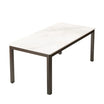

Student Study Table Height Guide (2026 Updated)
A Complete Ergonomic Height Guide for Students of All Ages
Introduction
Choosing the right study table height is crucial for students' posture, comfort, and learning performance. Whether it's for home study, classroom environments, or training centers, the correct table height ensures:
- Proper spinal alignment
- Reduced shoulder and neck strain
- Improved focus and concentration
- Long-term healthy posture habits
This guide covers recommended table heights by age, measurement tips, dimension suggestions, materials, and safety considerations.
1. Why Study Table Height Matters
Incorrect table height can cause:
- Neck and shoulder tension
- Rounded back posture
- Fatigue and discomfort
- Reduced attention span
- Long-term musculoskeletal issues
Key takeaway: Ergonomic study tables promote a natural posture, supporting effective learning habits for students.
2. Recommended Study Table Heights by Age
| Age Group | Table Height | Chair Height | Notes |
|---|---|---|---|
| Preschool (3–6) | 45–50 cm | 26–30 cm | Drawing, coloring, early learning |
| Primary (6–12) | 52–58 cm | 30–34 cm | Homework, reading, writing |
| Secondary (12–16) | 60–68 cm | 36–40 cm | Computer use, note-taking |
| Teenagers & Adults (16+) | 70–75 cm | 40–45 cm | Laptop & textbook work |
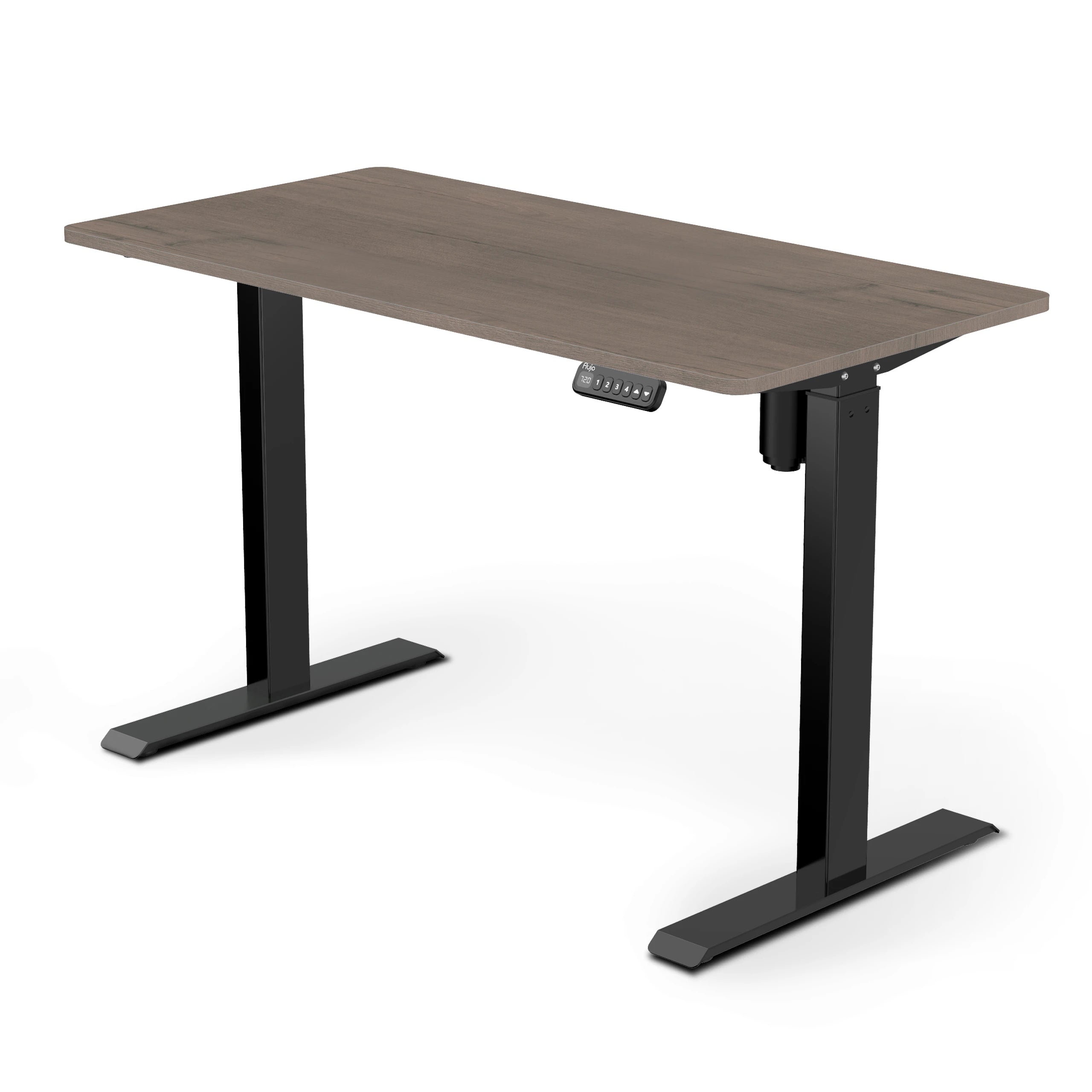
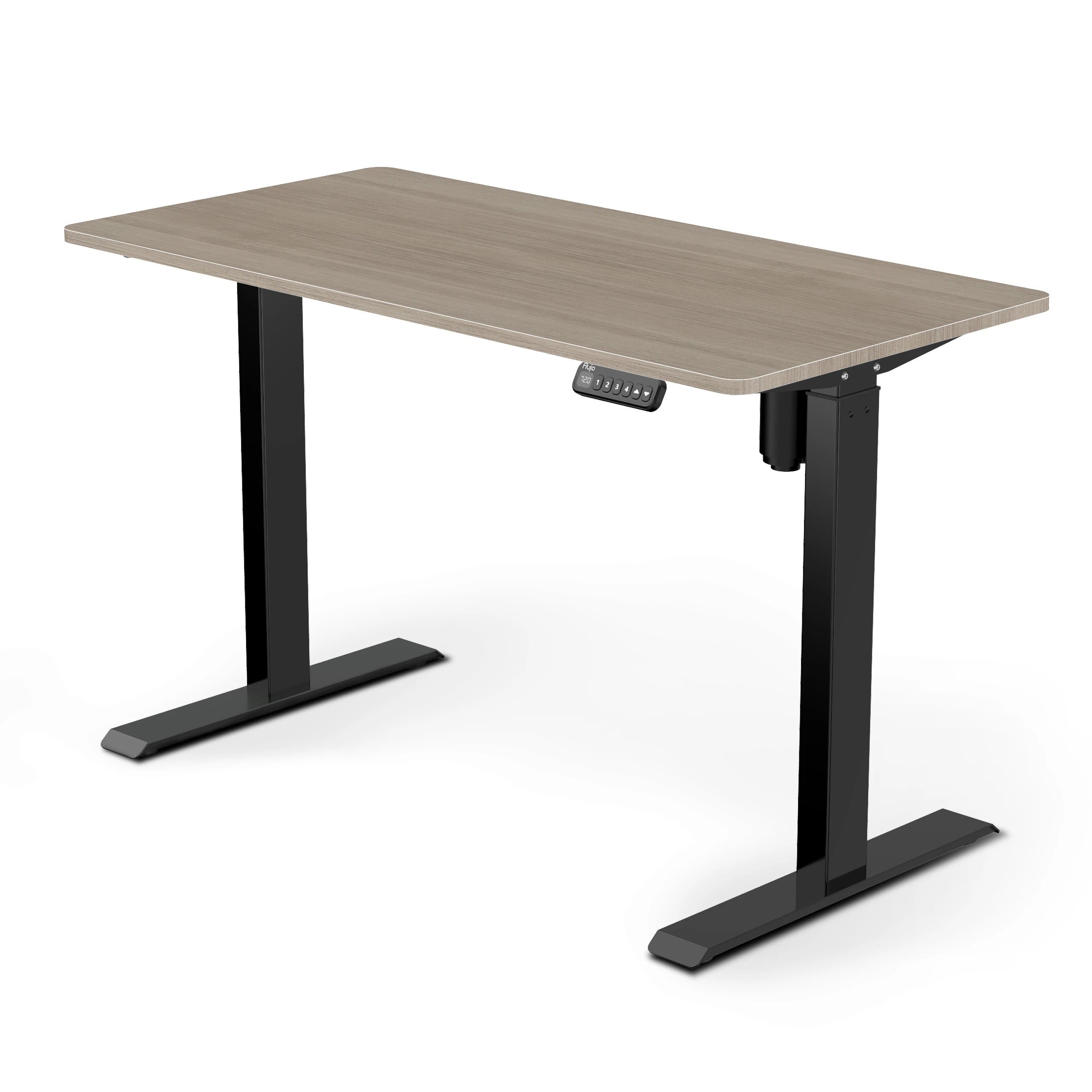
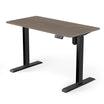
Tip: Adjustable-height tables are ideal for growing children or multi-age classrooms.

3. How to Check If Your Table Height is Correct
🔹 Elbow Angle
Arms should rest comfortably on the table at a 90°–100° angle.
🔹 Feet Position
Feet should touch the floor; use a footrest if necessary.
🔹 Knee & Hip Angle
Maintain a 90° angle between knees and hips for stability.
🔹 Screen or Book Position
Reading surface should be 15–30° below eye level to protect neck alignment.

4. Study Table Dimensions & Size Recommendations
Reading & Writing
- Width: 60–80 cm
- Depth: 45–55 cm
Laptop or Digital Learning
- Width: 80–120 cm
- Depth: 55–65 cm
Flexible/Classroom Use
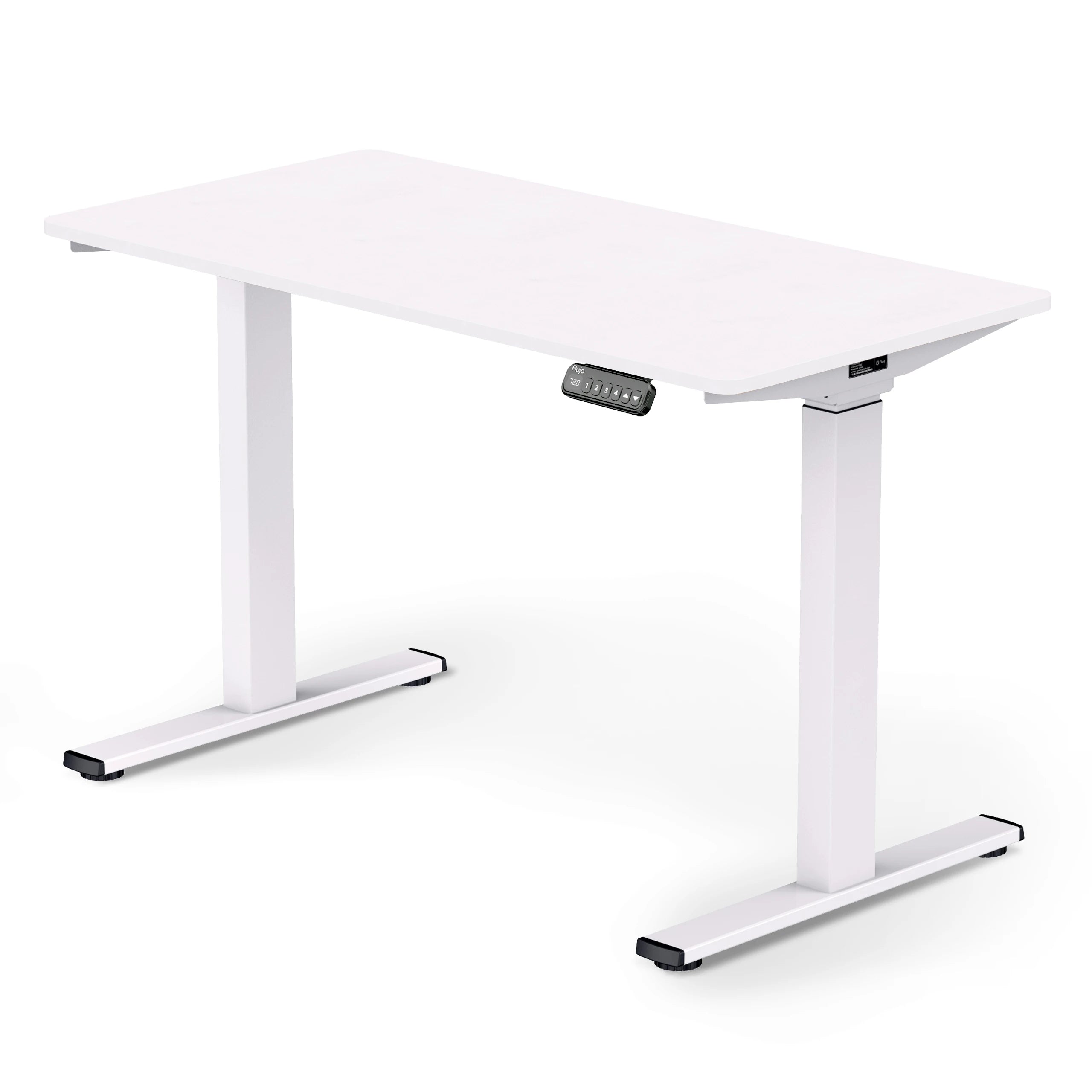
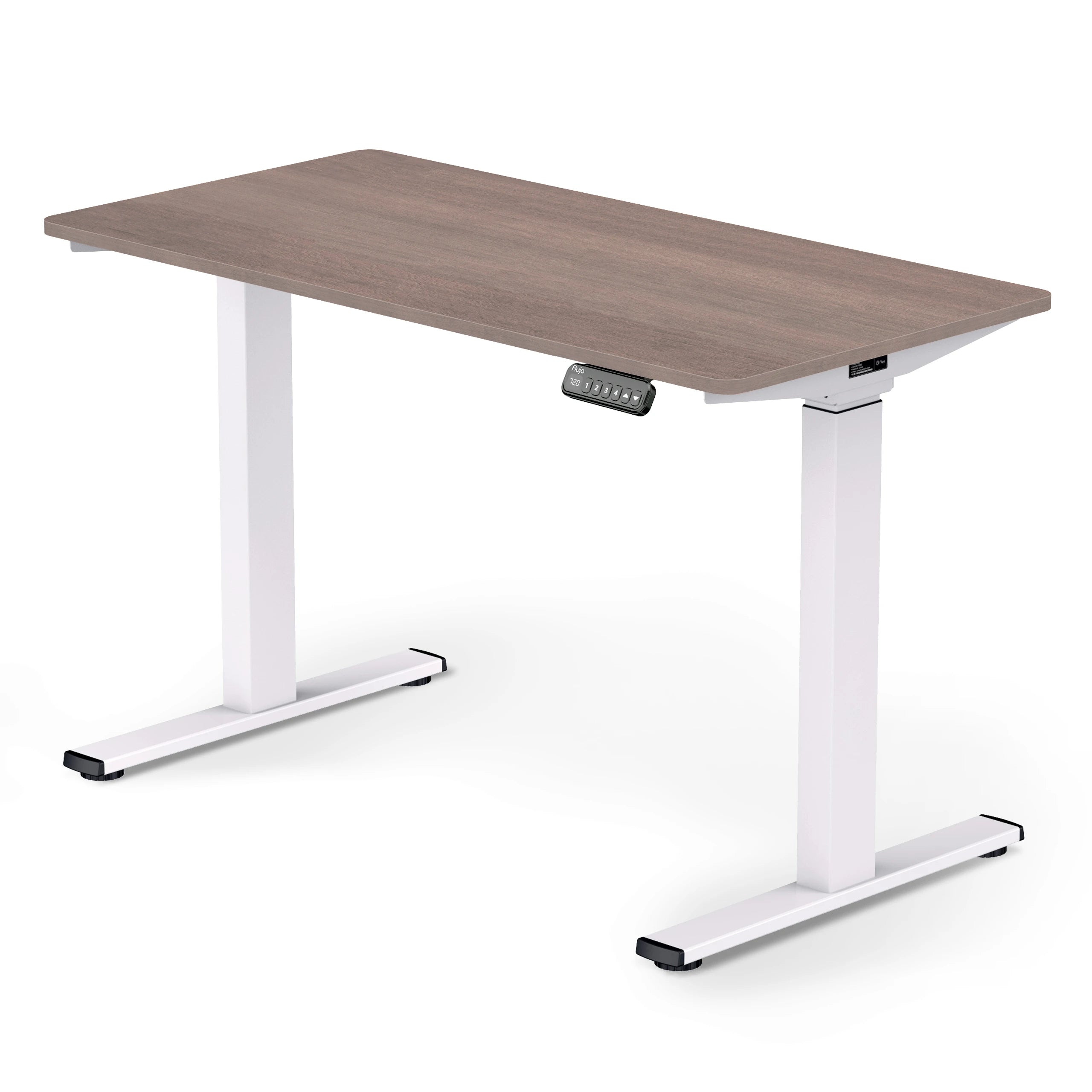
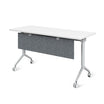
- Modular tables with adjustable height
- Movable or stackable tables for collaborative spaces
5. Materials & Safety Features
- Anti-scratch surface
- Rounded corners for safety
- Stable steel or reinforced frames
- Low-VOC materials
- Easy-to-clean surfaces
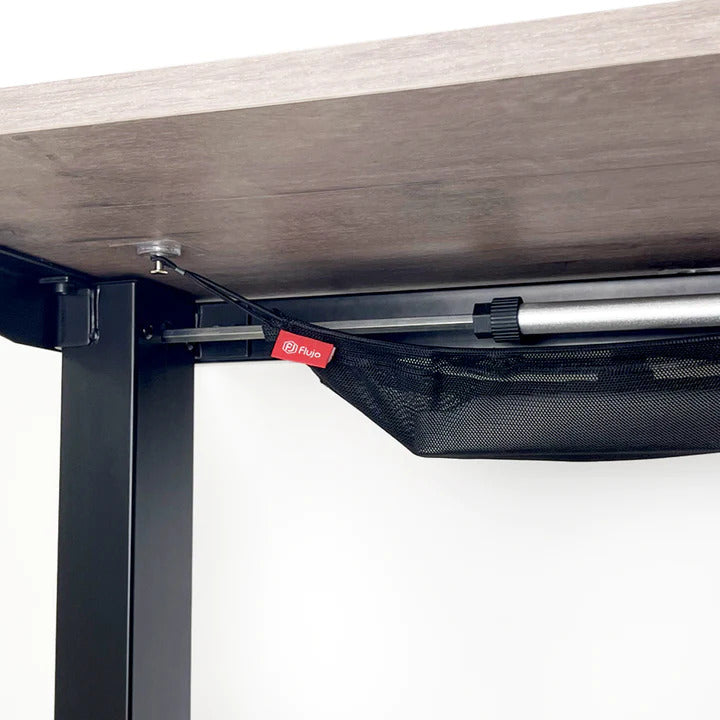
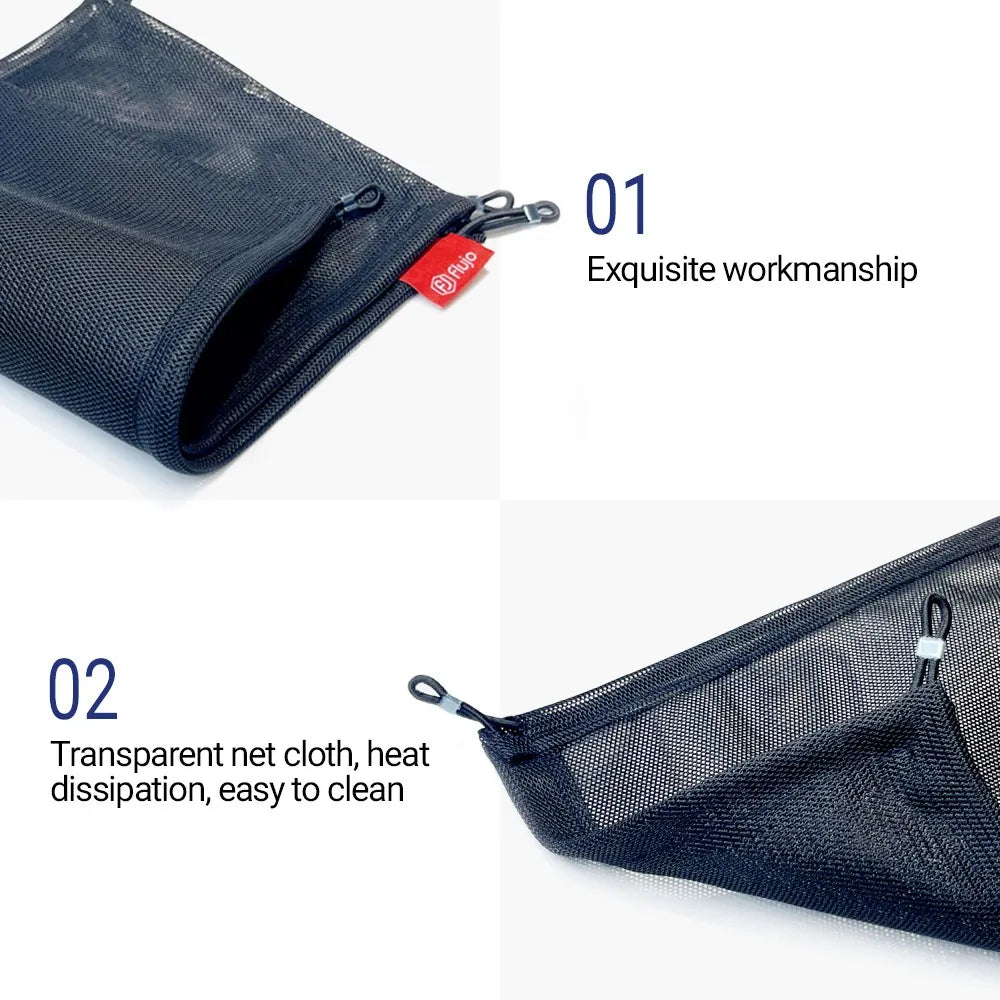
- Cable management for devices
6. FAQ (Schema Structured)
Q1: What is the standard study table height?
A1: Adult standard is 70–75 cm; children and teens vary based on age.
Q2: Should students use adjustable-height tables?
A2: Adjustable tables are recommended for growing students or mixed classrooms.
Q3: What is the best study table size for small rooms?
A3: Width 60–70 cm, Depth 45–55 cm is ideal.
Q4: How to know if a table is too high?
A4: If the student lifts shoulders while writing, the table is too high.
Q5: Are all study tables safe for children?
A5: Look for rounded corners, low-VOC materials, and stable frames.
7. Key Takeaways
- Correct study table height improves posture and focus
- Age-specific height charts help select suitable tables
- Adjustable, modular tables provide flexibility for classrooms and multi-age students
- Safety, durability, and ergonomics are essential when choosing study tables
About Flujo
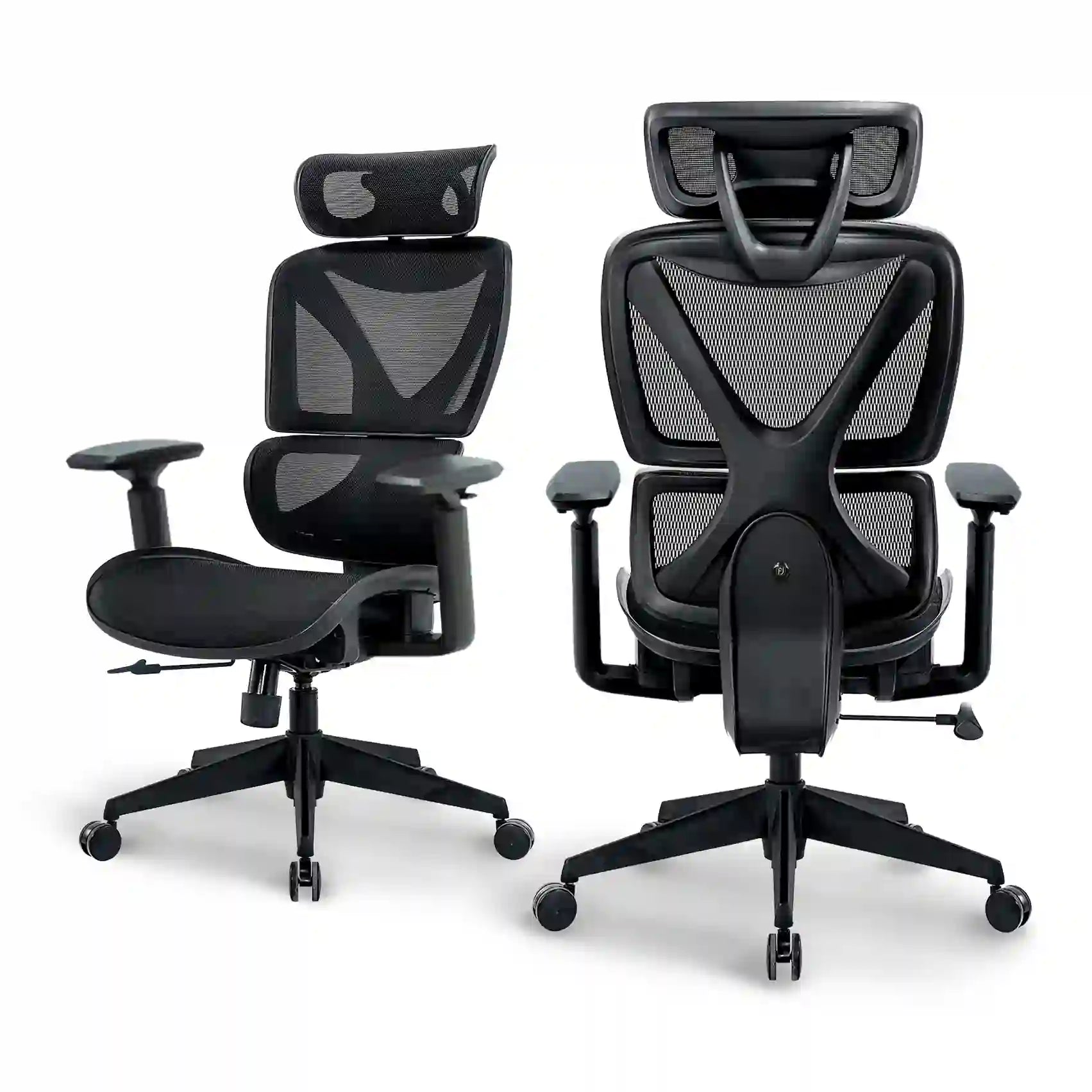
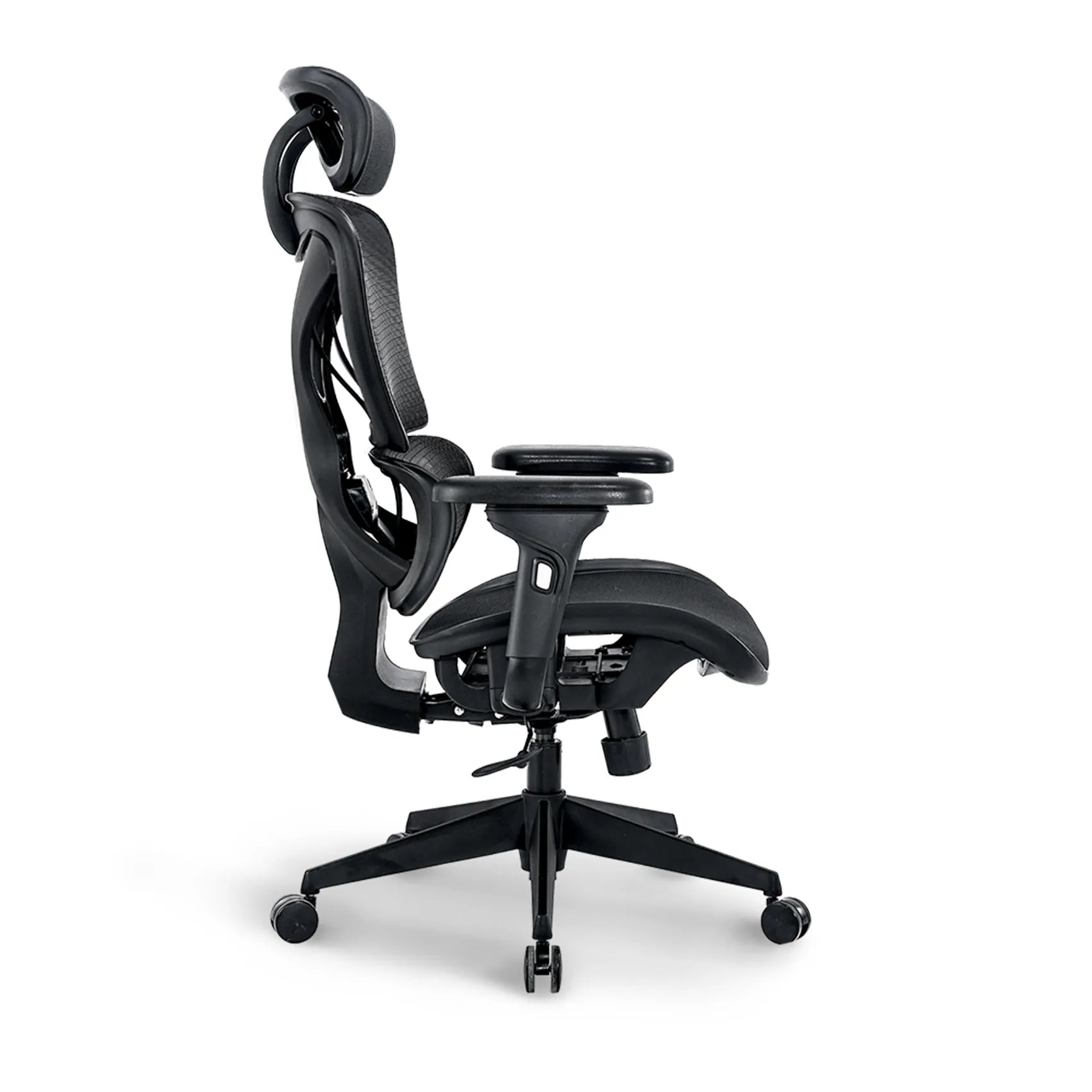
At Flujo, we design study tables and chairs that support healthy posture, comfort and long-term learning habits. Our furniture is widely used across Singapore in schools, tuition centres, libraries and student living spaces, where durability and ergonomics matter most.
If you’re exploring how to create a better learning environment—whether for younger students or teens—you can also browse Flujo’s range of study tables and classroom furniture to see practical examples of height-appropriate and ergonomic setups.