




How to Choose the Right Whiteboard for Classrooms
Introduction
Choosing the right whiteboard for your classroom is a crucial decision that impacts teaching effectiveness, student engagement, and long-term value. Whether you're setting up a new classroom or upgrading existing equipment, this comprehensive guide will help you make an informed decision.
Types of Whiteboards for Classrooms
1. Melamine Whiteboards
Melamine whiteboards are the most budget-friendly option, featuring a painted steel surface. They're ideal for light use and temporary installations.
Pros: Affordable, lightweight, easy to install
Cons: Prone to ghosting and staining over time, shorter lifespan
2. Porcelain / Ceramic Whiteboards
Premium porcelain whiteboards offer superior durability and performance. The ceramic-steel surface is baked at high temperatures, creating an extremely hard, non-porous writing surface.
Pros: Excellent erasability, resistant to staining and ghosting, magnetic, 25+ year lifespan
Cons: Higher initial investment
3. Glass Whiteboards
Modern glass whiteboards provide a sleek, contemporary look with excellent performance characteristics.
Pros: Premium aesthetics, easy to clean, stain-resistant, durable
Cons: Not magnetic (unless backed with steel), higher cost, can create glare
Key Factors to Consider
Size and Dimensions
Consider your classroom layout and viewing distance. Standard sizes range from 4'x6' to 4'x12'. Ensure all students can clearly see the board from their seats. For larger classrooms, consider multiple boards or extended widths.
Surface Quality
- Smooth, non-porous surface for easy erasing
- Resistance to ghosting (residual marks after erasing)
- Stain resistance for long-term clarity
- Scratch resistance for durability
Magnetic Capability
Magnetic whiteboards allow you to attach teaching materials, student work, and organizational tools. This feature is particularly valuable for interactive teaching methods.
Frame and Mounting
- Wall-mounted: Permanent installation, space-saving
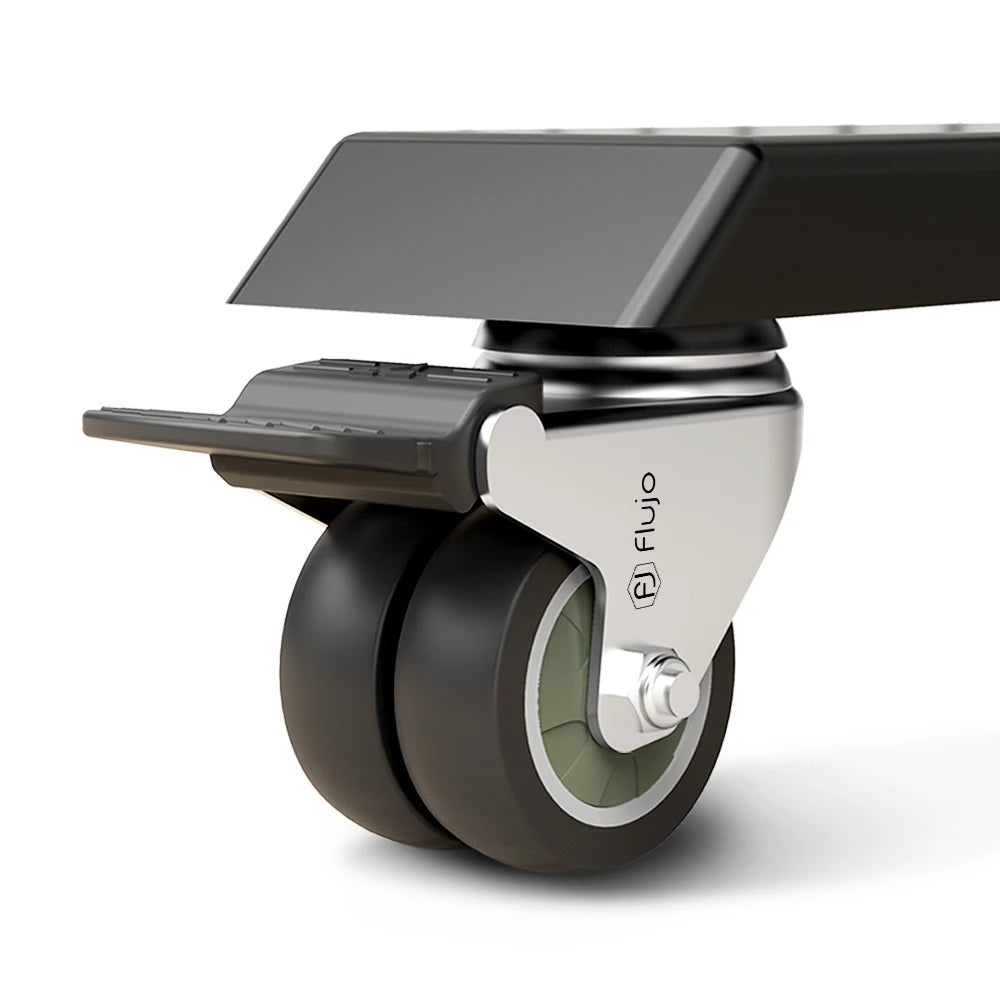
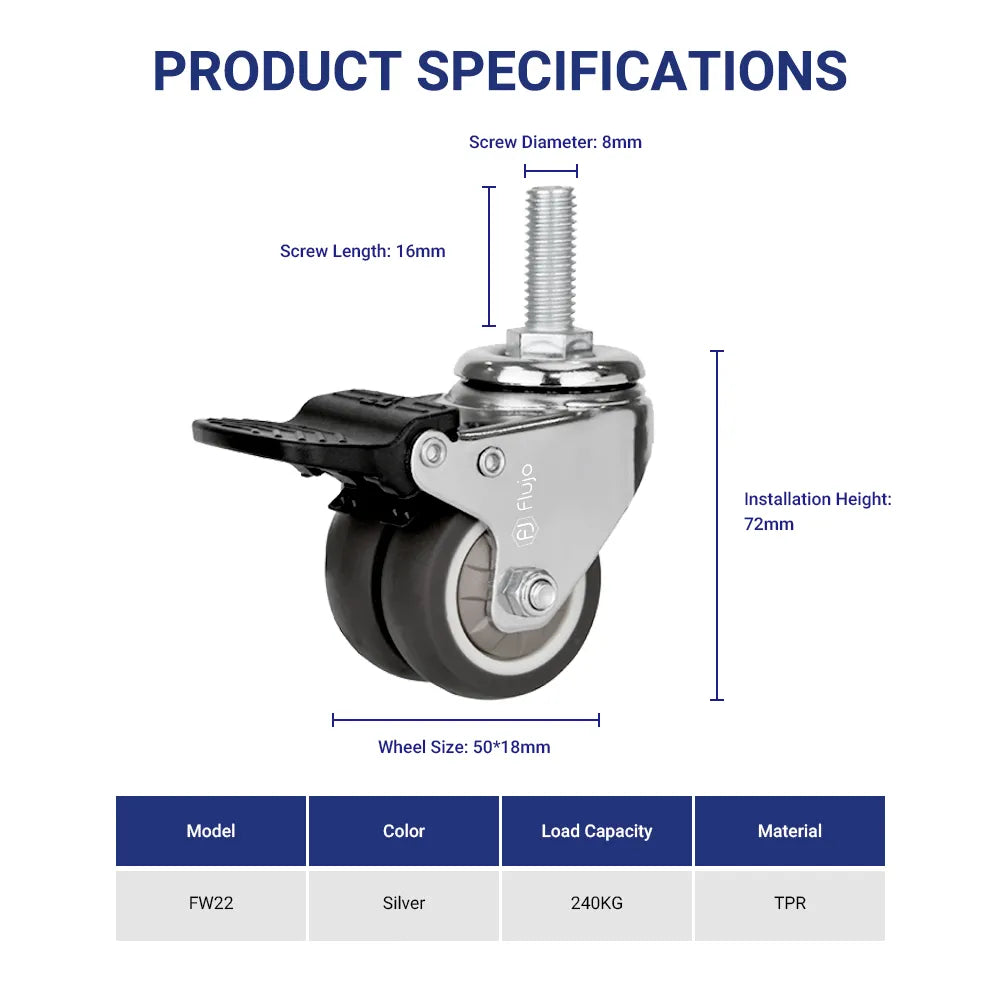
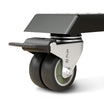
- Mobile/Rolling: Flexible positioning, ideal for multi-purpose rooms
- Frame style: Aluminum frames are durable and modern; consider corner options for safety
Budget Considerations
While initial cost matters, consider total cost of ownership:
- Melamine boards: $50-$200 (3-5 year lifespan)
- Porcelain boards: $200-$800 (25+ year lifespan)
- Glass boards: $400-$1,200 (20+ year lifespan)
Special Features to Consider
Interactive Whiteboards
Digital interactive whiteboards combine traditional writing surfaces with technology integration, enabling multimedia presentations and interactive lessons.
Accessories
- Quality dry-erase markers (low-odor, vibrant colors)
- Erasers and cleaning solutions
- Marker trays and storage
- Magnetic accessories for organization
Maintenance Tips for Longevity
- Use only dry-erase markers designed for whiteboards
- Clean regularly with appropriate whiteboard cleaner
- Avoid abrasive cleaning materials
- Remove marks promptly to prevent ghosting
- Condition the surface periodically with whiteboard restorer
Making Your Final Decision
- Usage frequency: High-use classrooms benefit from porcelain or glass
- Budget: Balance initial cost with long-term value
- Teaching style: Interactive teachers may need magnetic or digital features
- Room characteristics: Consider lighting, wall space, and classroom size
- Warranty: Look for manufacturers offering substantial warranties (10-25 years for premium boards)
Conclusion
The right whiteboard enhances teaching effectiveness and creates a better learning environment. By considering surface quality, size, features, and long-term value, you can select a whiteboard that serves your classroom well for years to come.
Ready to upgrade your classroom? Explore our range of premium whiteboards designed specifically for educational environments, backed by industry-leading warranties and expert support.