

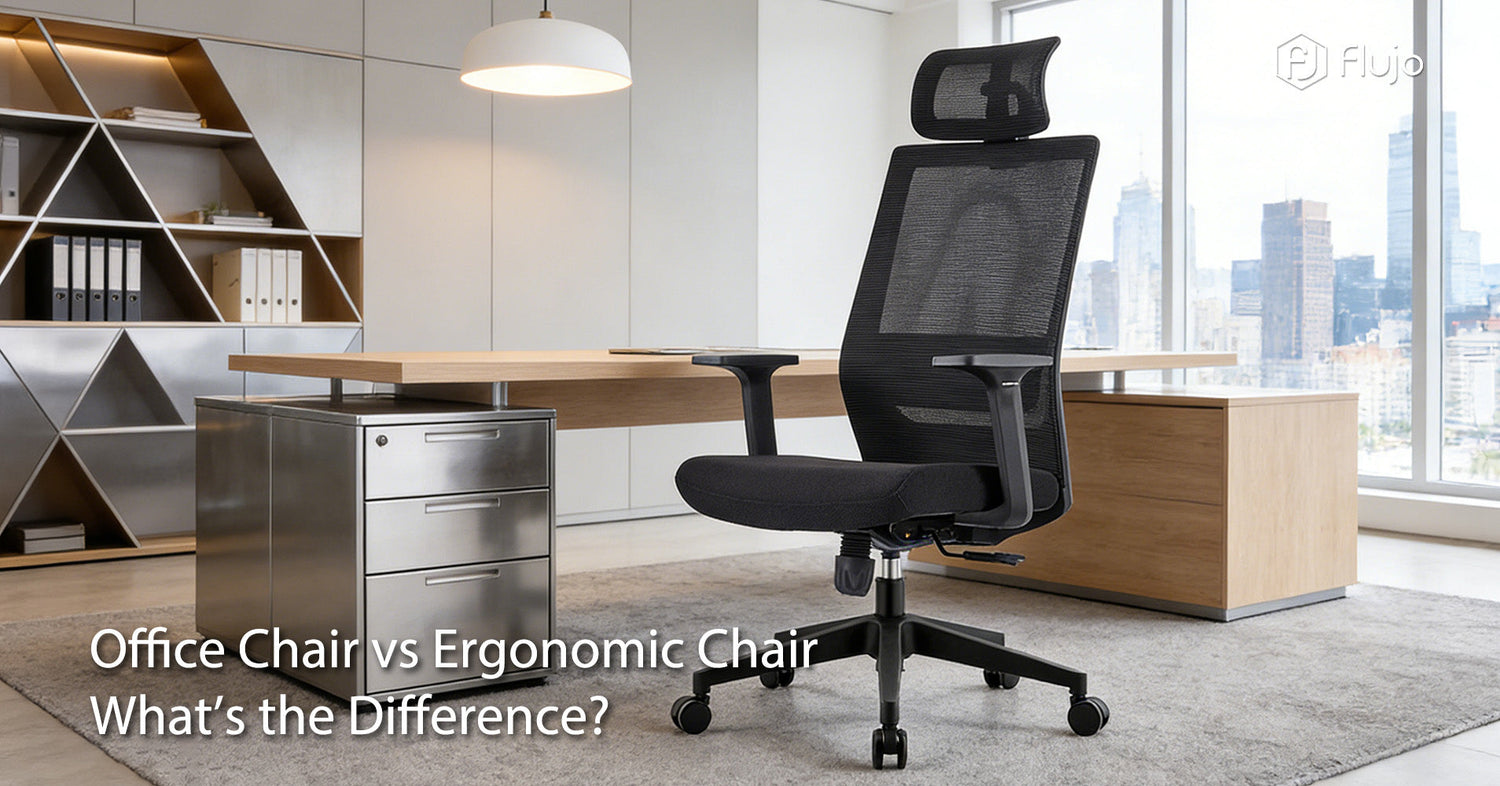
Office Chair vs Ergonomic Chair: What’s the Difference?
When choosing seating for your workspace, one common question is: What is the difference between an office chair and an ergonomic chair? While both are designed for desk use, they serve different purposes in terms of comfort, support, and long-term health.
Understanding these differences can help you select the right chair for your needs—whether for corporate offices, work-from-home setups, or long hours at a desk.
What Is a Standard Office Chair?
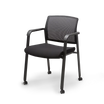
A standard office chair is a general-purpose seating solution commonly used in offices, meeting rooms, and administrative spaces. It focuses on functionality and affordability.
- Basic height adjustment
- Fixed or limited recline
- Simple backrest design
- Minimal lumbar support
- Suitable for short to moderate sitting periods
Office chairs are ideal for meeting rooms, visitor seating, or roles that do not require extended sitting hours.
What Is an Ergonomic Chair?
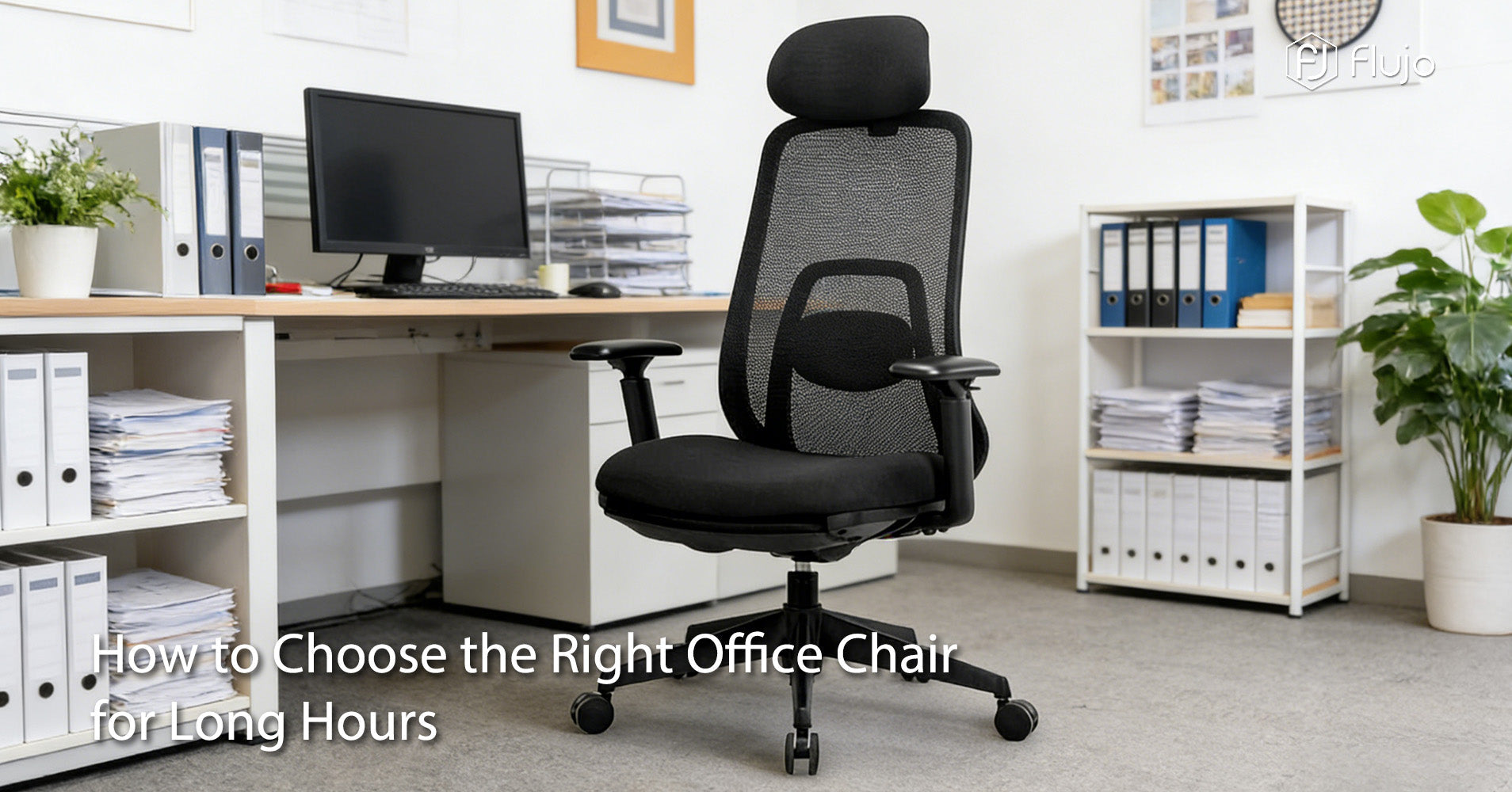
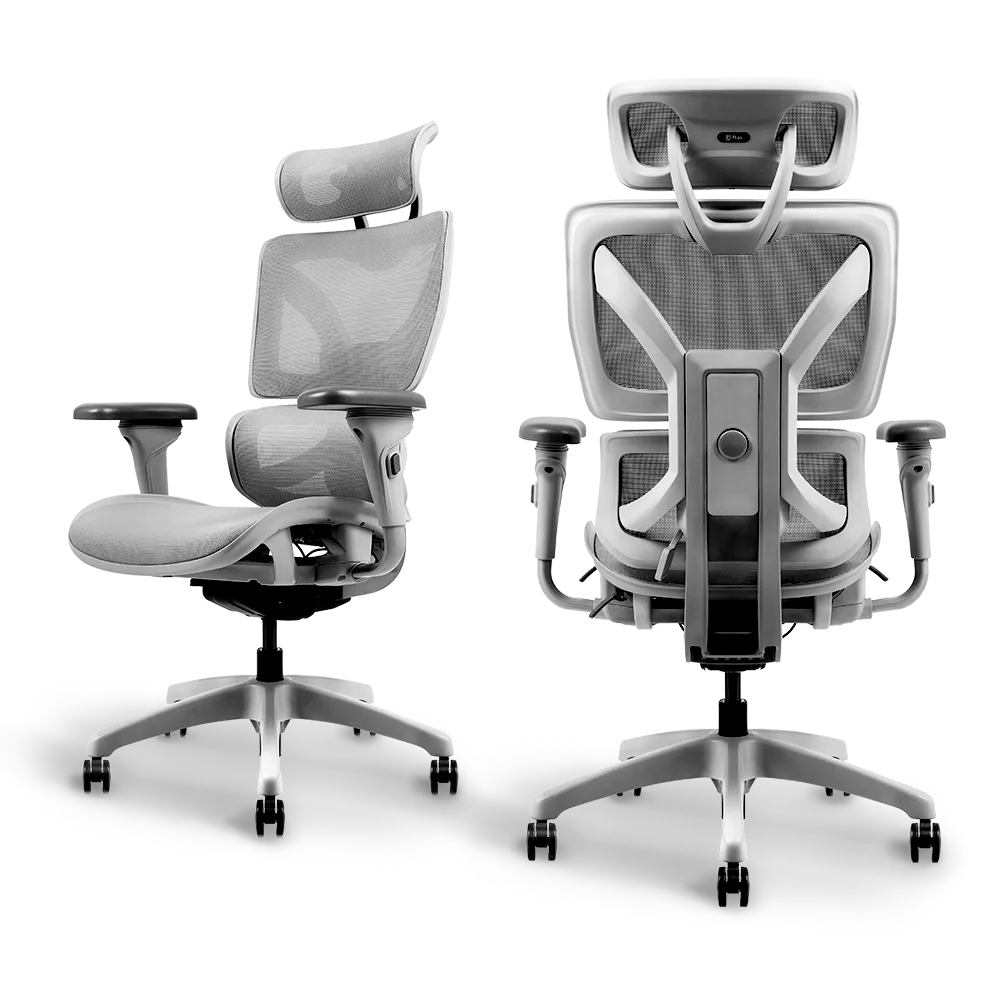
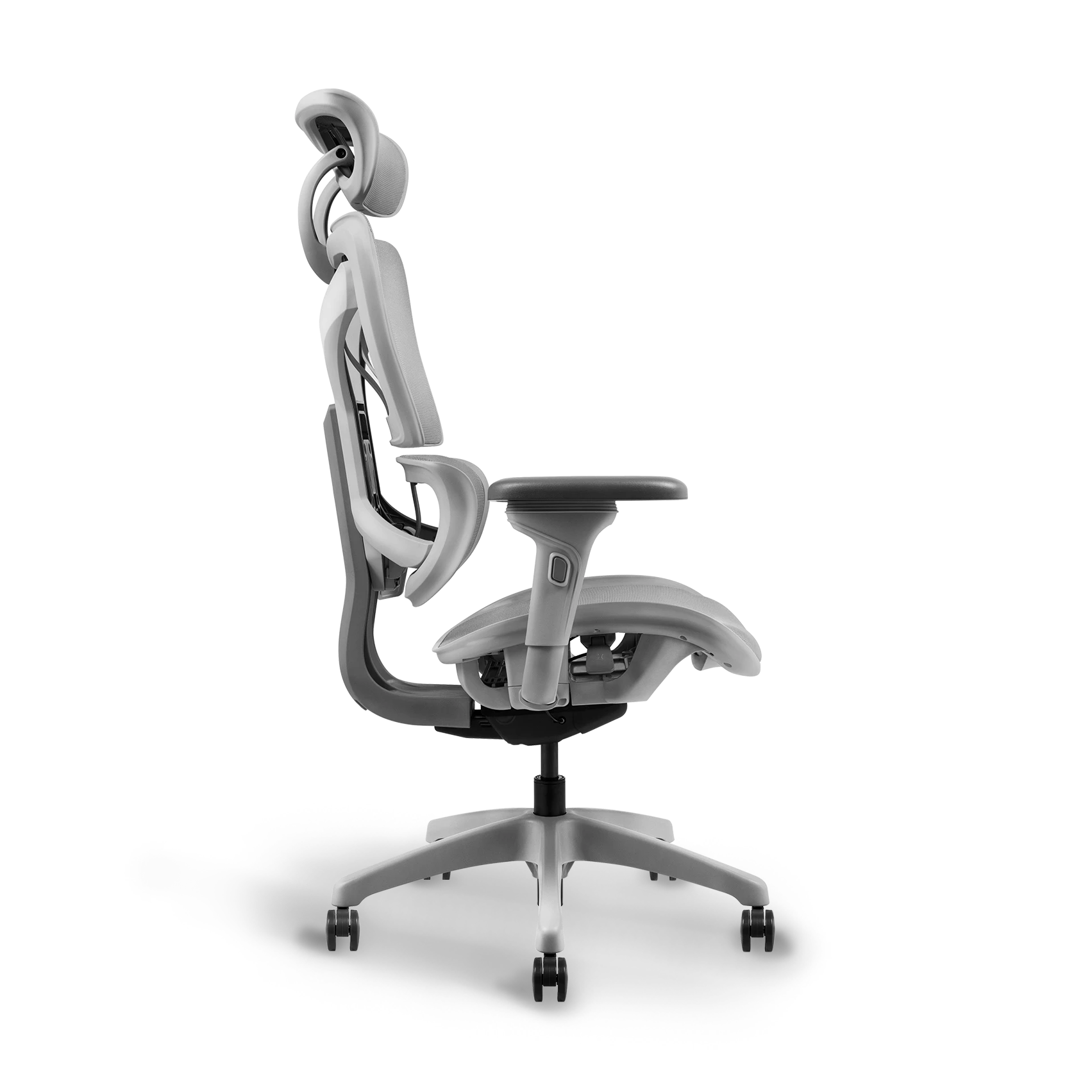
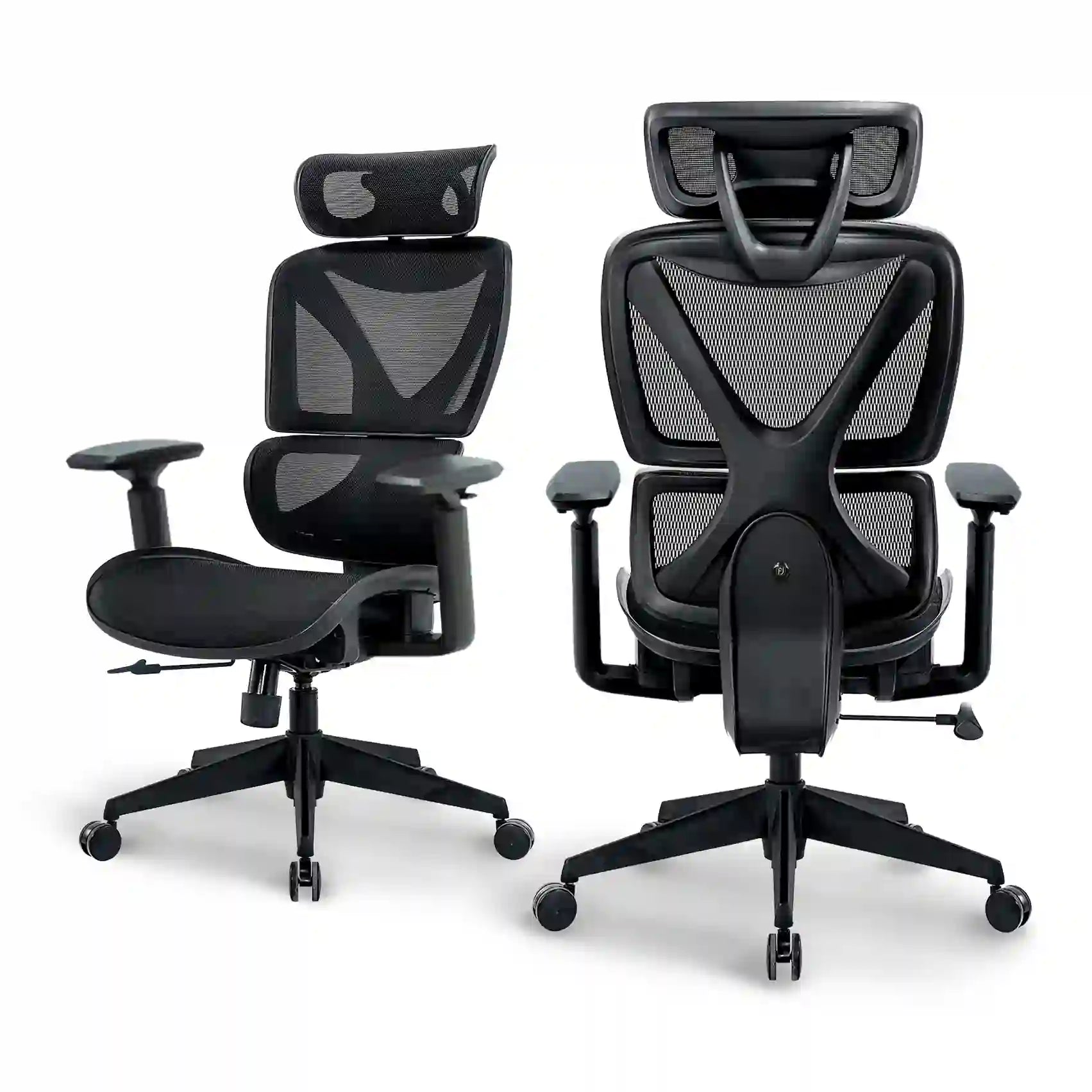
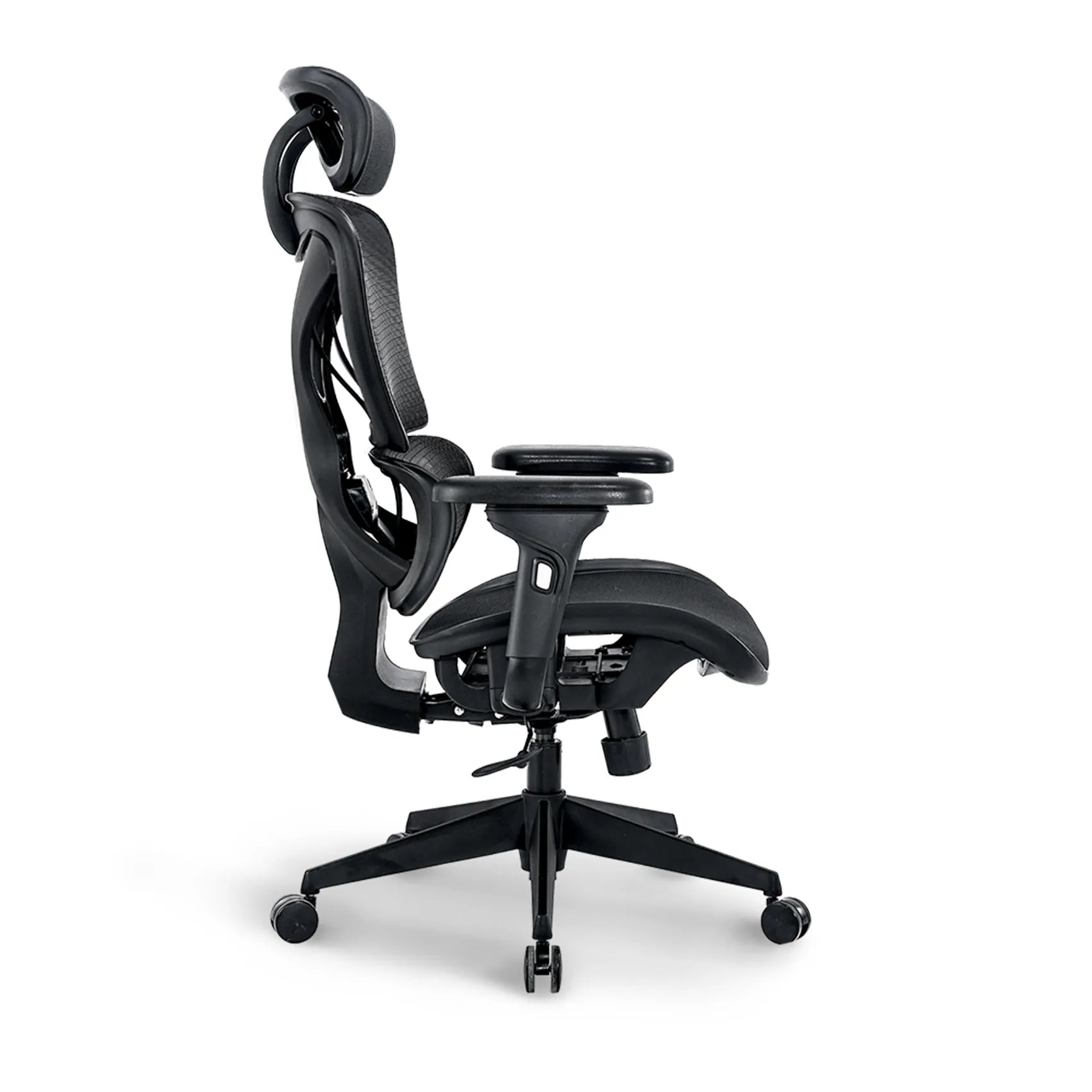
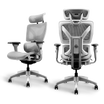
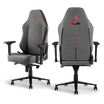
An ergonomic chair is specifically designed to support posture, reduce strain, and enhance comfort during long working hours. It incorporates advanced adjustability features to fit different body types and sitting preferences.
- Adjustable lumbar support
- Adjustable armrests (height, width, angle)
- Seat depth adjustment
- Tilt tension and recline locking
- Headrest adjustment
- Breathable mesh or high-quality cushioning
Ergonomic chairs are engineered to reduce pressure on the spine, neck, and hips—making them suitable for employees who sit for extended periods.
Key Differences Between Office Chairs and Ergonomic Chairs
| Feature | Office Chair | Ergonomic Chair |
|---|---|---|
| Adjustability | Limited | Highly adjustable |
| Lumbar Support | Basic or fixed | Dynamic and adjustable |
| Comfort for Long Hours | Moderate | High |
| Posture Support | Minimal | Designed for spinal alignment |
| Best For | Short meetings, general use | Full-day desk work |
Which Chair Is Better for Long Working Hours?
If you sit for more than 6–8 hours daily, an ergonomic chair is generally the better investment. The advanced adjustments allow users to maintain proper posture and reduce fatigue, back pain, and neck strain.
However, for meeting rooms or short-term seating, a well-designed office chair may be sufficient.
Cost vs Long-Term Value
Office chairs typically have a lower upfront cost. Ergonomic chairs may require a higher investment but often provide better durability and long-term health benefits.
For businesses, investing in ergonomic seating can improve productivity, reduce discomfort complaints, and support employee well-being.
How to Decide Between an Office Chair and an Ergonomic Chair
- Daily Sitting Time: Longer hours require ergonomic support.
- Work Type: Task-intensive roles benefit from ergonomic adjustability.
- Budget: Balance immediate cost with long-term value.
- Work Environment: Corporate workstations vs meeting rooms.
- User Comfort Preferences: Body type and posture habits matter.
Final Thoughts
The difference between an office chair and an ergonomic chair lies in adjustability, posture support, and long-term comfort. While both serve important roles in the workplace, choosing the right one depends on how long and how frequently the chair will be used.
If your priority is daily comfort, spinal support, and productivity, an ergonomic chair is often the smarter choice. For lighter usage or shared spaces, a standard office chair remains a practical solution.
Explore our full range of office and ergonomic chairs to find the right fit for your workspace.